
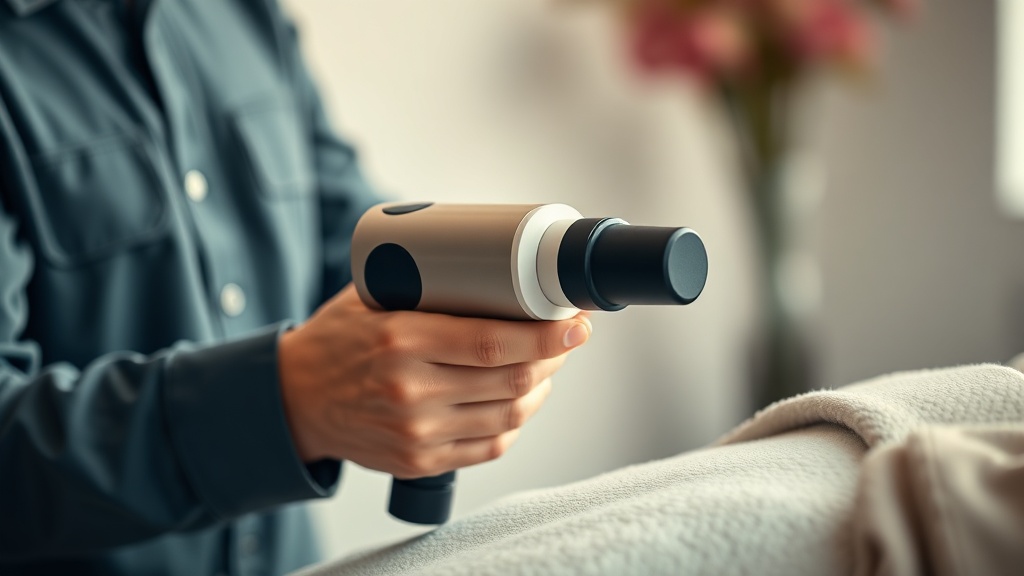
Complete D6 Pro Specification Sheet and Key Numbers
The growing body of peer-reviewed research on percussion therapy provides an increasingly solid evidence base for the therapeutic claims made by massage gun manufacturers. Studies published in sports medicine and rehabilitation journals have demonstrated measurable benefits in muscle soreness reduction, range of motion improvement, and perceived recovery quality following percussion therapy sessions. This scientific validation elevates percussion massage guns from trendy gadgets to evidence-supported therapeutic tools that healthcare professionals can confidently recommend.
Brushless Motor Technology Explained for Massage Guns
Deep tissue massage traditionally required a skilled practitioner with strong hands and extensive training. Massage guns have democratized access to deep tissue therapy, allowing individuals to self-treat at home on their own schedule. While these devices cannot fully replicate the diagnostic skill of a trained therapist, they deliver comparable mechanical force to the tissues. For maintenance between professional sessions, they offer excellent value and convenience.
Amplitude and Percussion Rate Testing Methodology
Percussion therapy has shown particular promise for managing symptoms of peripheral neuropathy, a condition characterized by numbness, tingling, and pain in the extremities. The mechanical stimulation can help improve blood flow to nerve-rich areas and reduce the muscle tension that often accompanies neuropathic conditions. While not a cure, regular percussion therapy can provide meaningful symptom management that improves quality of life. Patients should consult their healthcare provider before beginning treatment, especially if they have diabetes-related neuropathy.
First-time buyers should understand that the number of speed settings is less important than the range between the lowest and highest setting. A device with five well-spaced speed levels can be more versatile than one with twenty narrowly separated settings. The key is having a genuinely gentle lowest setting for sensitive areas and a powerful highest setting for dense muscle groups, with useful increments in between.
The hip flexor complex, comprising the iliacus, psoas major, rectus femoris, and tensor fasciae latae, becomes chronically shortened in individuals who sit for extended periods. This shortening contributes to anterior pelvic tilt, lower back compression, and inhibition of the gluteal muscles. Percussion therapy to the hip flexors must be applied carefully, particularly for the deeper psoas and iliacus, which require a supine position and gentle pressure through the abdominal wall. Surface hip flexors like the rectus femoris respond well to standard prone or supine percussion techniques.
Real-World Stall Force Measurements at Each Speed
The safety profile of percussion massage guns is generally excellent when used according to manufacturer guidelines, with serious injuries being extremely rare. The most common adverse effects are mild bruising and temporary soreness, both of which result from excessive pressure or duration rather than any inherent danger of the technology. Following the simple rule of spending no more than two minutes per muscle group at moderate intensity prevents the vast majority of negative outcomes.
Battery Drain Rate During Continuous Use Testing
The relationship between price and quality in the massage gun market follows a curve with diminishing returns above a certain threshold. Devices under fifty dollars often lack the motor power and build quality for effective therapy. The sweet spot for most users falls between one hundred and two hundred dollars, where performance and durability align well with cost. Spending above three hundred dollars adds incremental improvements that most non-professional users will not notice.
Proper maintenance of a massage gun involves more than just cleaning the attachment heads after use. Storing the device in a cool, dry place prevents moisture damage to the internal motor and battery. Avoiding the temptation to apply excessive pressure during use protects the motor from premature wear, as the device is designed to deliver optimal percussion force without the user pressing hard against the muscle.
Decibel Readings Across Speed Settings and Heads
Breathing patterns during percussion therapy influence treatment outcomes more than most users realize. Holding the breath in response to percussion creates a sympathetic nervous system response that increases muscle tension and reduces treatment effectiveness. Conscious slow, deep breathing during treatment promotes parasympathetic activity that enhances muscle relaxation and pain tolerance. Coaching patients to maintain diaphragmatic breathing during percussion therapy significantly improves their treatment experience and outcomes.
Performance Summary and Comparison to Advertised Specs
Percussion therapy protocols for competitive athletes should account for the proximity of competition when determining treatment intensity. In the days immediately before competition, lighter percussion sessions that maintain tissue quality without creating soreness are appropriate. During the competitive season, moderate maintenance protocols help manage the cumulative effects of repeated performance. The off-season provides an opportunity for more aggressive treatment of chronic restrictions that may have been tolerated during the competitive period.
Athletes at all levels benefit from understanding the science behind percussion therapy to maximize its effectiveness. The rapid percussive impacts stimulate mechanoreceptors in the muscle tissue, triggering a neurological response that reduces muscle tone and pain perception. Simultaneously, the mechanical action increases local blood flow and lymphatic drainage, accelerating the removal of metabolic waste products that contribute to post-exercise soreness.